Cancer-Associated Fibroblasts (CAF)
Cancer-Associated Fibroblasts (CAFs) play a crucial role in the evaluation of anticancer drugs. They modulate the cancer environment, making it challenging for anticancer drugs to infiltrate and limiting treatment effectiveness. Additionally, they regulate immune responses, restricting the efficacy of anticancer immunotherapy. Moreover, CAFs promote cancer invasion and metastasis, potentially inducing resistance to anticancer drugs. Considering these functions of CAFs is crucial for accurately assessing the efficacy of anticancer drugs and developing strategies to address these challenges.
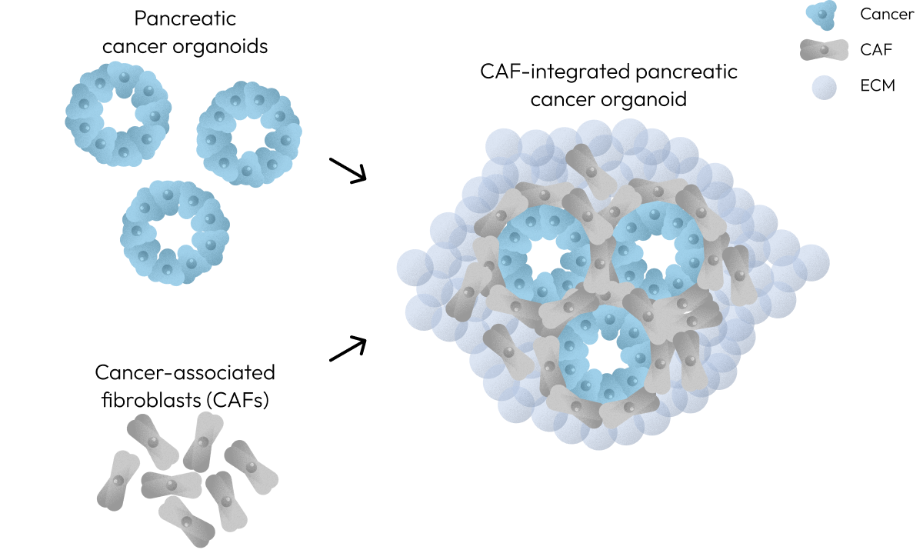
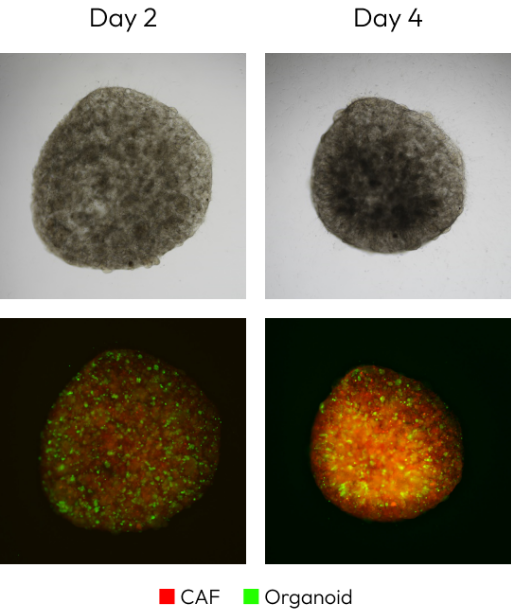
Tumor Microenvironment Mimicked by CAF (CIPCO Model)
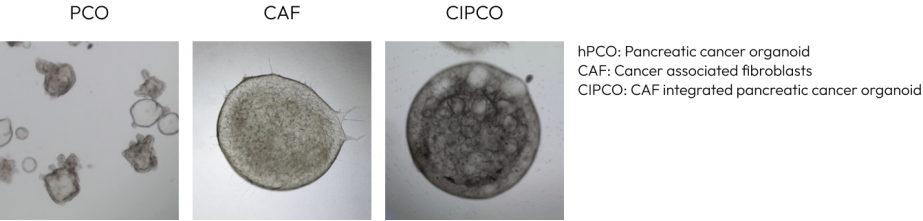
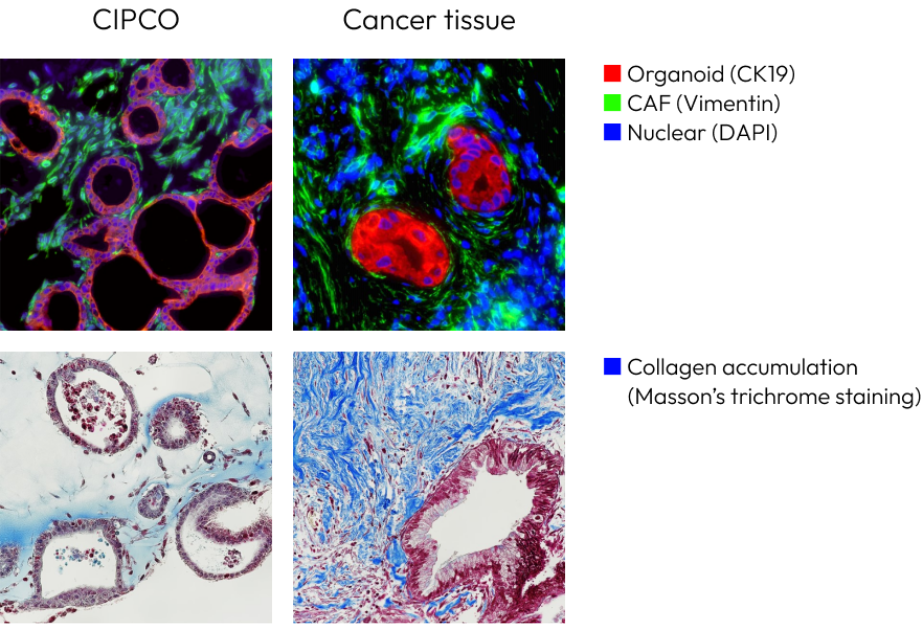
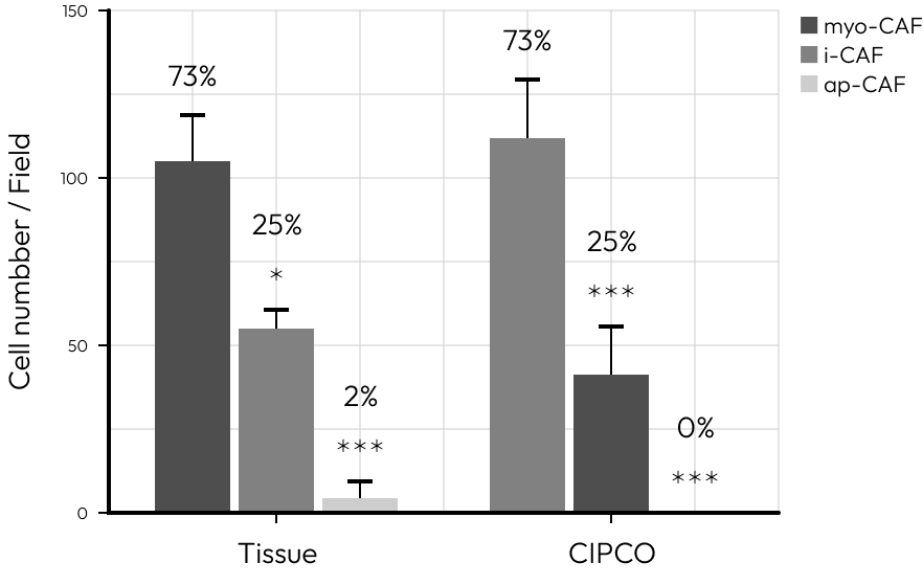
Similar to actual pathological results in patients
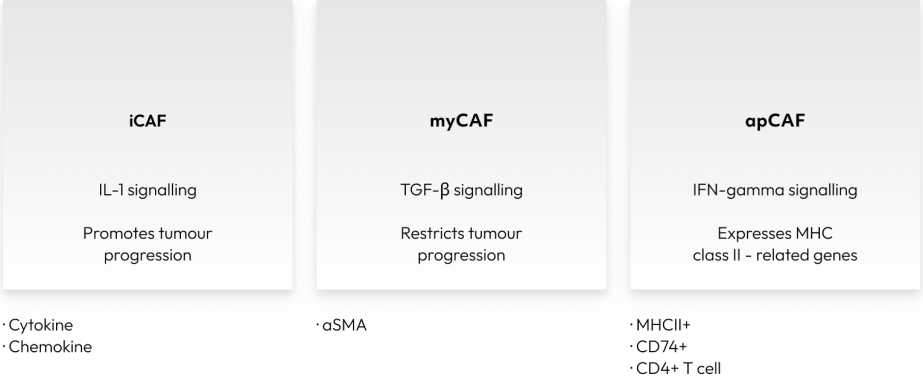
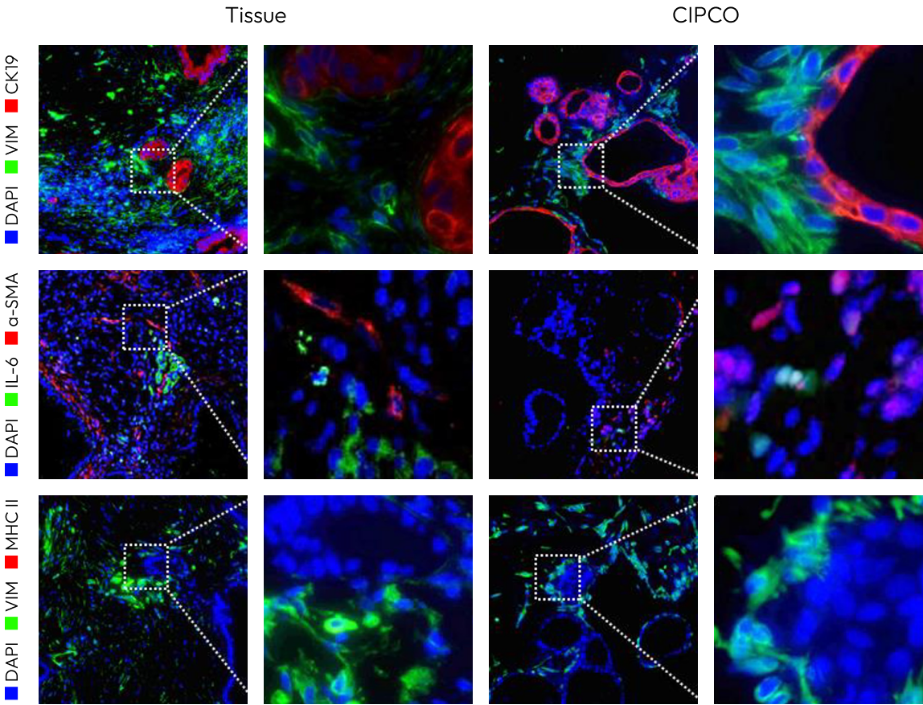
Various CAF Subtypes Replicate the Actual Tumor Microenvironment
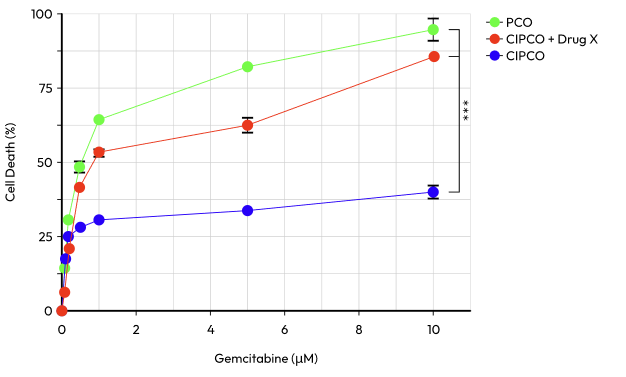
CIPCO Exhibits Lower Drug Permeability Compared to Simple Organoids
When co-administered with a drug that enhances drug permeability, Gemcitabine sensitivity is increased.
The CIPCO model recreates the physical environment surrounding cancer cells, reproducing drug permeability in patient cancer tissues.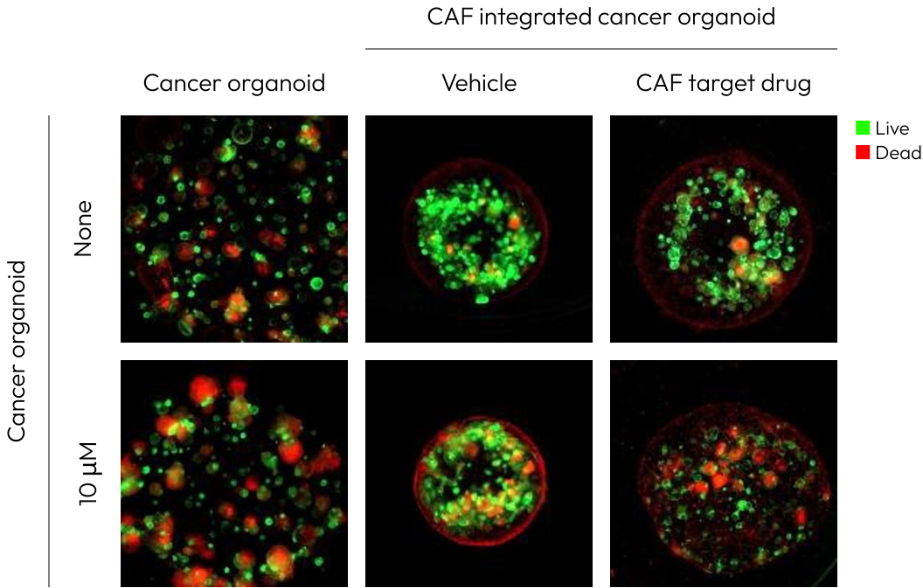
Frequently Asked Questions
What are Cancer-Associated Fibroblasts (CAFs)?
Cancer-Associated Fibroblasts (CAFs) are key stromal cells within the tumor microenvironment that actively influence cancer progression, metastasis, and therapeutic response. They secrete extracellular matrix components, cytokines, and growth factors that support tumor growth and immune modulation.
How are CAFs used in cancer research and drug development?
CAFs provide a physiologically relevant model for studying tumor–stroma interactions and drug resistance mechanisms. When co-cultured with tumor or immune cells, they help recreate the complexity of the in vivo tumor microenvironment, enabling more predictive preclinical testing and the development of anti-stromal or combination therapies.
What advantages do Lambda Biologics’ CAF models offer?
Lambda Biologics’ CAFs are derived from patient tumor samples, preserving native phenotypes and molecular signatures. They can be integrated into organoid or immune co-culture systems, offering a reproducible and human-relevant platform for oncology research and therapeutic screening.