
Immunotherapy Testing in Patient-Derived Cancer Organoids
Build tumor–immune microenvironment models using patient-derived organoids and selected immune and stromal components to evaluate immunotherapy efficacy, immune activation, tumor-cell killing, and resistance mechanisms.
Test the Mechanism,
Not Just the Signal
Immunotherapies are designed to restore immune responses that tumors have actively suppressed. To evaluate that mechanism, the model must reproduce the relevant
tumor–immune interactions and immunosuppressive signals.
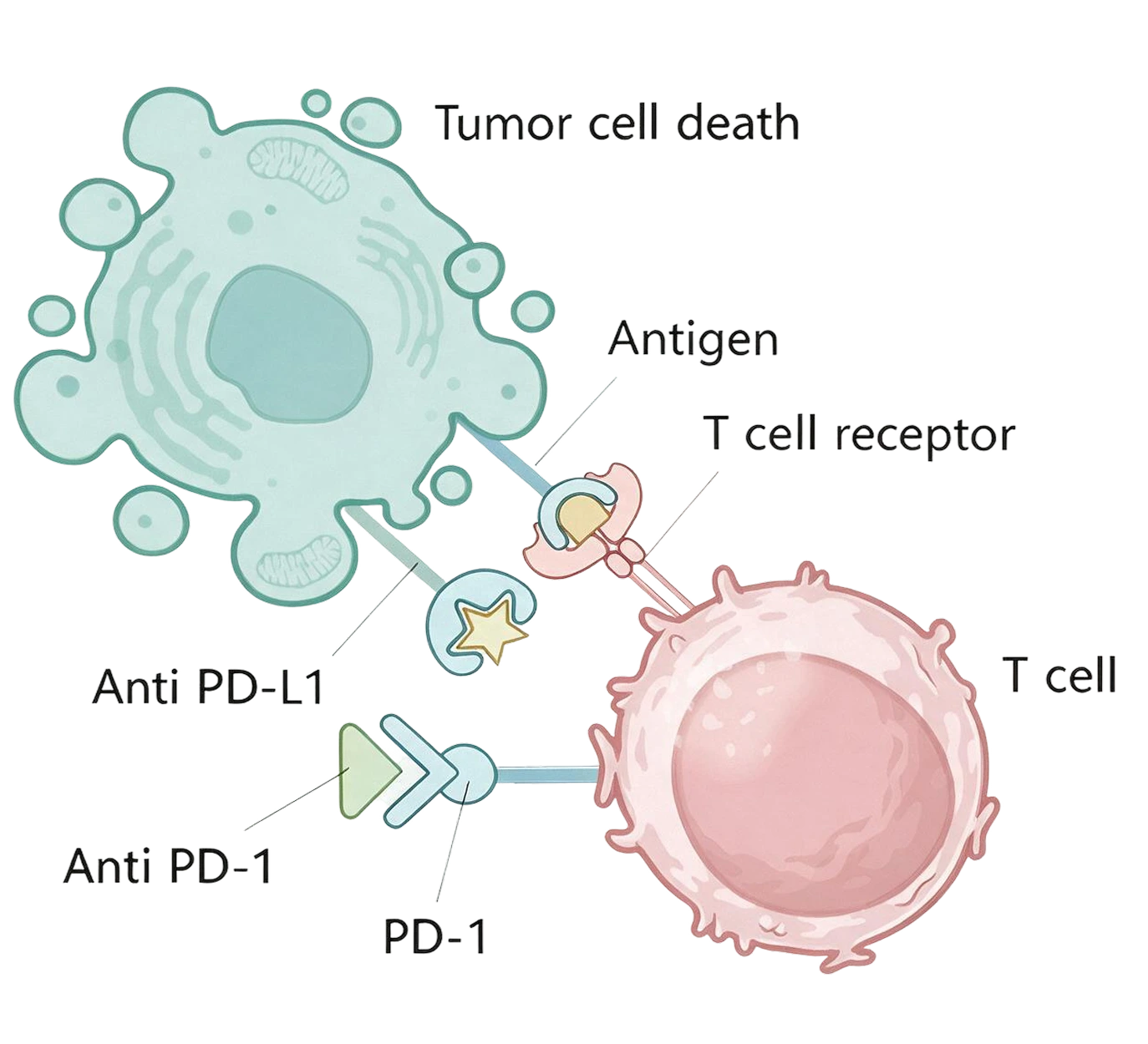
Conventional cancer cell line–PBMC co-cultures may generate measurable immune activation, but they often lack the biological context needed to determine whether a therapy is genuinely overcoming tumor-mediated immune suppression.
The resulting signal may be technically valid, yet still answer the wrong question. A mechanism-relevant model helps distinguish general immune stimulation from treatment-driven restoration of antitumor activity.
Lambda Biologics combines patient-derived organoids with T cells, NK cells, dendritic cells, and macrophages to capture key interactions within the tumor microenvironment. This enables more biologically relevant evaluation of immune checkpoint inhibitors and other immunotherapies, including immune activation, tumor-cell killing, treatment response, and resistance mechanisms.
ODISEI ONC: A Human-Relevant Immuno-Oncology Platform
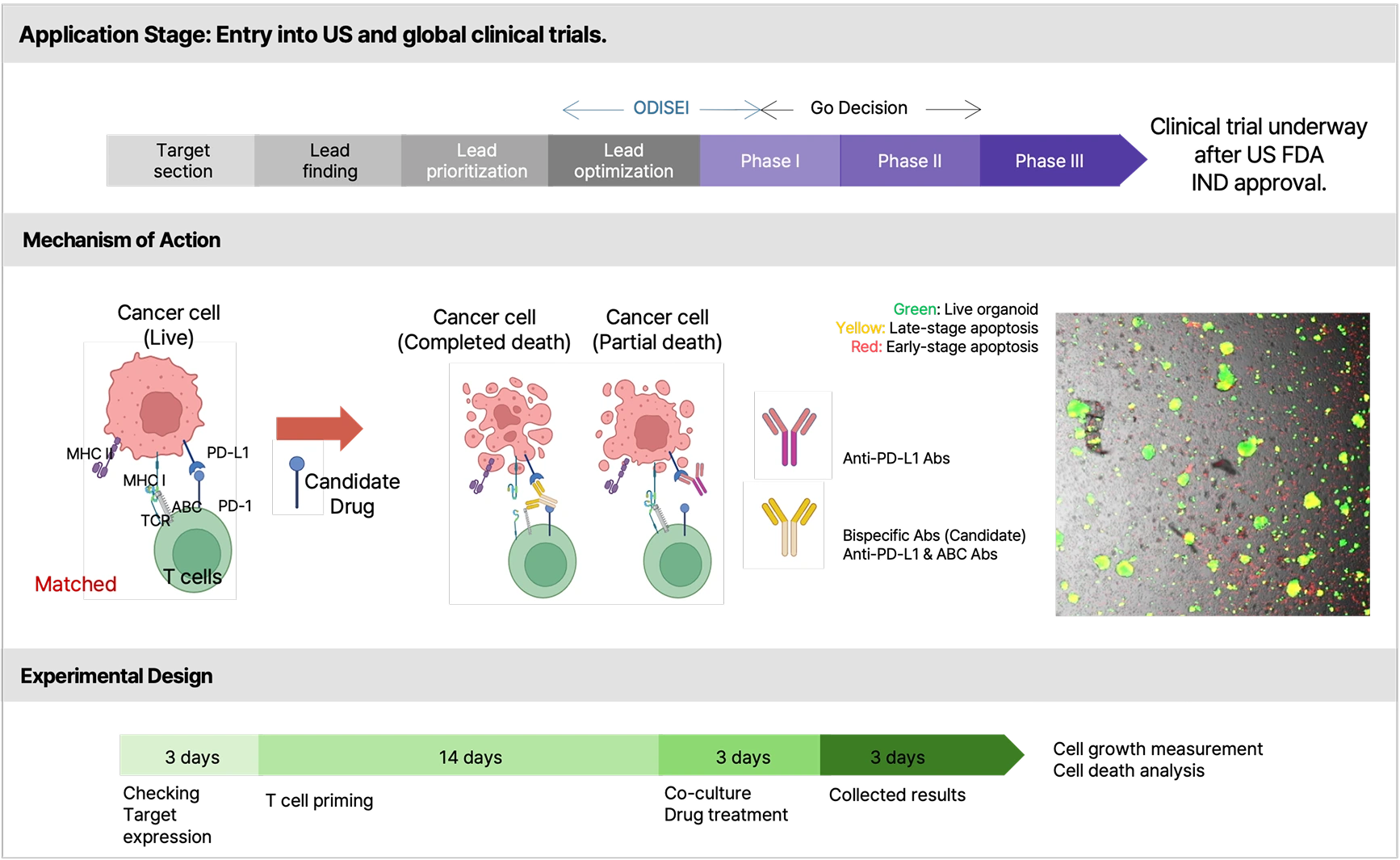
lODISEI Solution Application Overview
ODISEI Solution Application Results
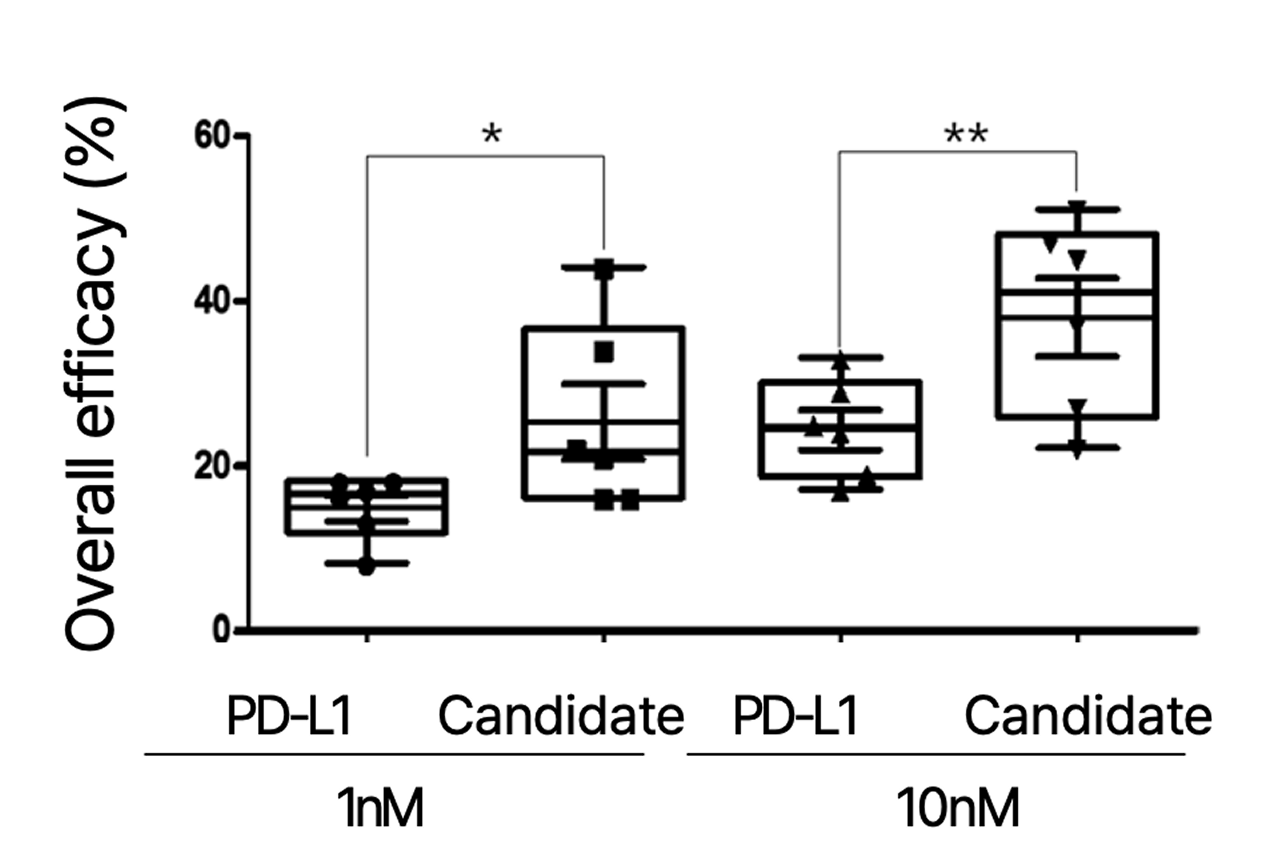
Atezolizumab Efficacy Evaluation Results
A 4-Week Path from Tumor–Immune Interaction to Quantifiable Response
Each study is designed around the therapeutic mechanism, tumor model, immune-cell configuration, and required endpoints. Our workflow supports functional evaluation of immunotherapy response from target confirmation and immune-cell priming through co-culture, treatment, and endpoint analysis.
Autologous T-Cell Co-culture Workflow in 4 weeks
Target-expression confirmation
Confirm relevant target and biomarker expression in the selected organoid model.
Tumor-specific T-cell priming
Prime donor-matched peripheral T cells against the patient’s own tumor organoids.
Co-culture and drug treatment
Combine primed T cells with tumor organoids and apply the test compound or treatment combination.
Endpoint analysis
Quantify treatment-associated changes in organoid growth, tumor-cell death, and immune activity.
Functional Readouts
- Tumor-cell death and organoid viability
- T-cell and NK-cell activation
- Immune-cell infiltration and engagement
- Cytokine and chemokine release
- Immune-cell phenotype and population changes
- Checkpoint and biomarker expression
- Treatment response and resistance
- High-content imaging, flow cytometry, multiplex imaging, and single-cell analysis
Tumor microenvironment models
We integrate selected stromal, myeloid, and lymphoid components with patient-derived tumor organoids to create
mechanism-relevant tumor microenvironment models.

Cancer-Associated Fibroblasts (CAF)
Product type
Organoid + CAF
Application fields
- Colorectal cancer: CAFs support cancer stem cell maintenance, drug resistance, and tumor invasion by modulating the extracellular matrix and inflammatory cytokines
- Non-small cell lung cancer: CAFs facilitate invasion, metastasis, angiogenesis, and immune evasion through ECM remodeling and cytokine secretion.
- Pancreatic cancer: CAFs promote tumor growth, fibrosis, and immune suppression, creating a dense and resistant tumor microenvironment.
- Breast cancer: CAFs enhance tumor growth, invasion, and immune evasion by producing growth factors, remodeling the ECM, and interacting with other stromal cells
- Cholangiocarcinoma: CAFs induce fibrosis and ECM hardening, promoting tumor invasion, metastasis, and immune evasion
Cytotoxic T cell
Cytotoxic T cell
Product type
Organoid + Cytotoxic T cell
Application fields
- Cancer Organoid: Colorectal Cancer, Non-Small Cell Lung Cancer, Pancreatic Cancer, Breast Cancer, Cholangiocarcinoma, Gastric Cancer, Ovarian Cancer
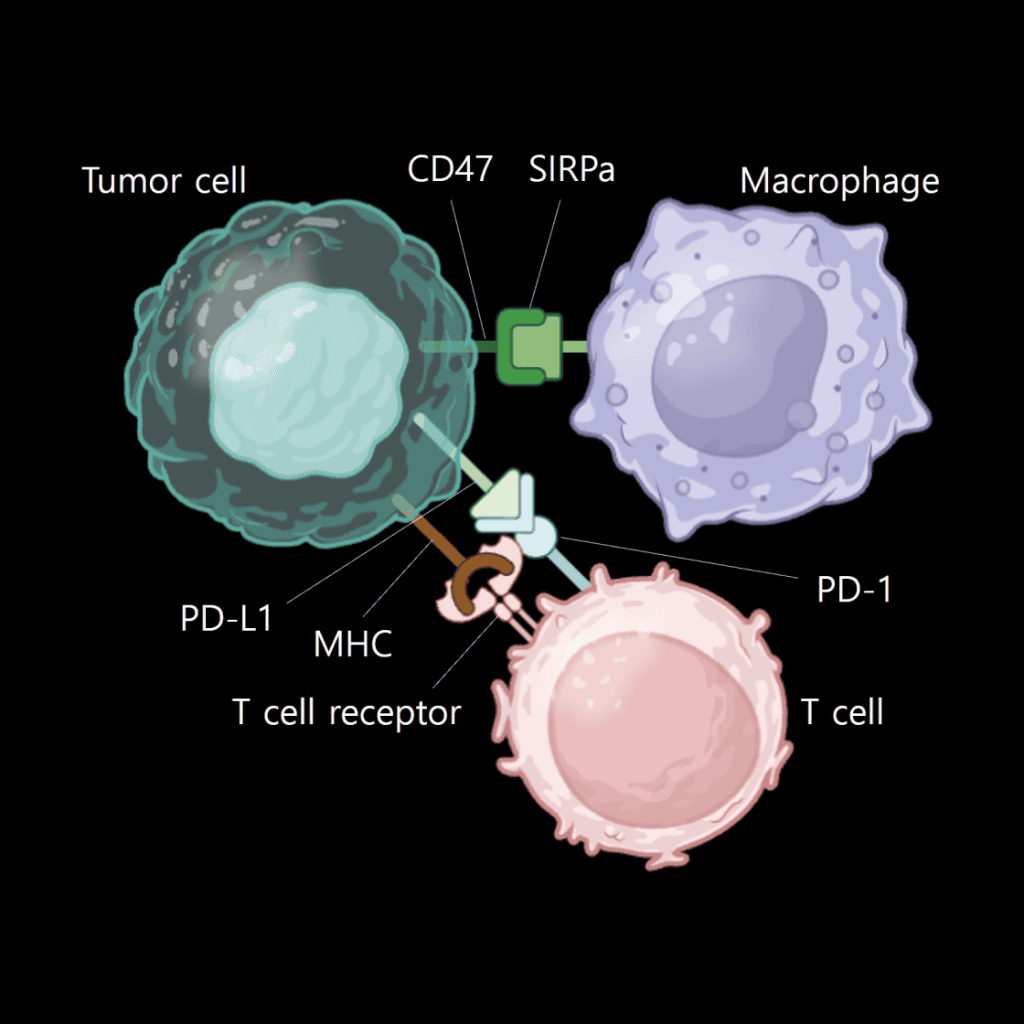
Macrophage & T Cells
Product type
Organoid + T cell + Macrophage
Application fields
- Cancer Organoid: Colorectal Cancer, Non-Small Cell Lung Cancer, Pancreatic Cancer, Breast Cancer, Cholangiocarcinoma, Gastric Cancer, Ovarian Cancer
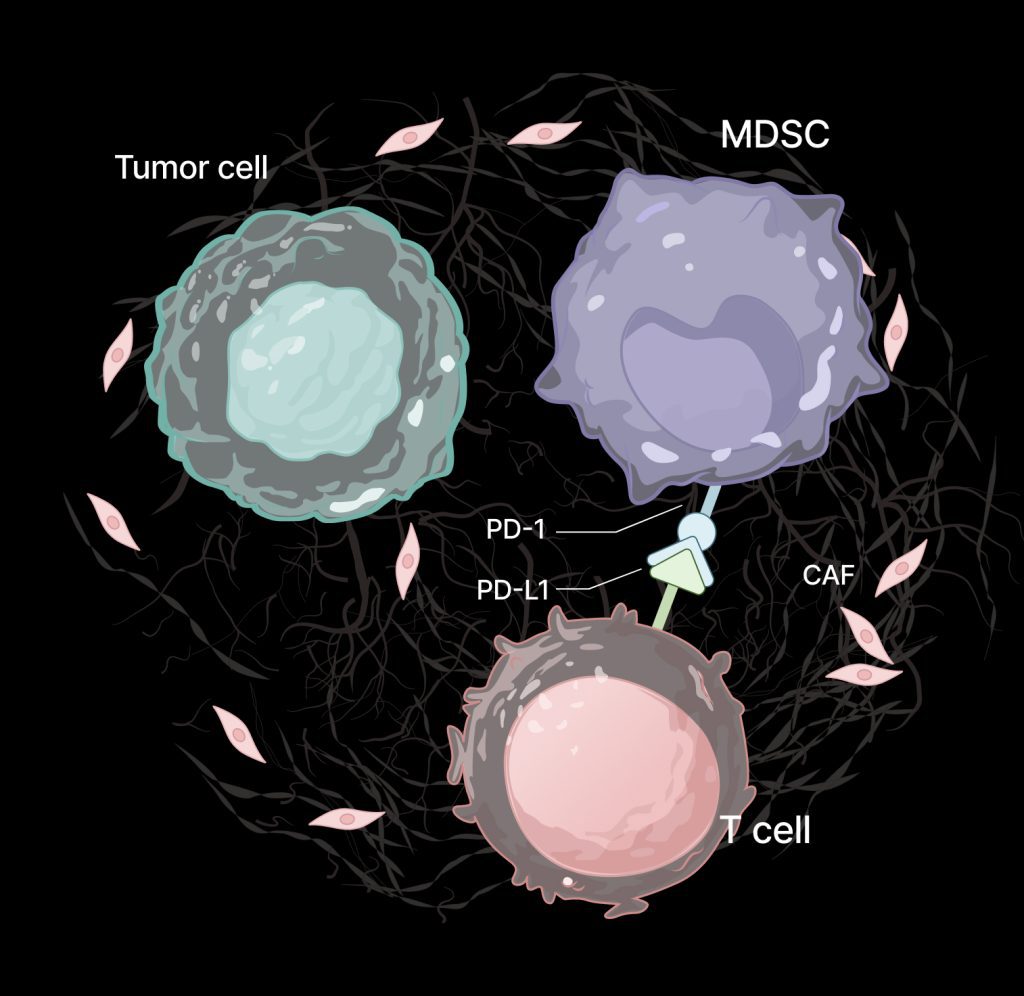
MDSC-targeted Platform
Product type
Tumor Organoid + MDSC
Application fields
- Cancer Organoid: Cancer Organoid, Colorectal Cancer, Non-Small Cell Lung Cancer, Pancreatic Cancer, Breast Cancer, Cancer Organoid, Cholangiocarcinoma, Gastric Cancer, Ovarian Cancer
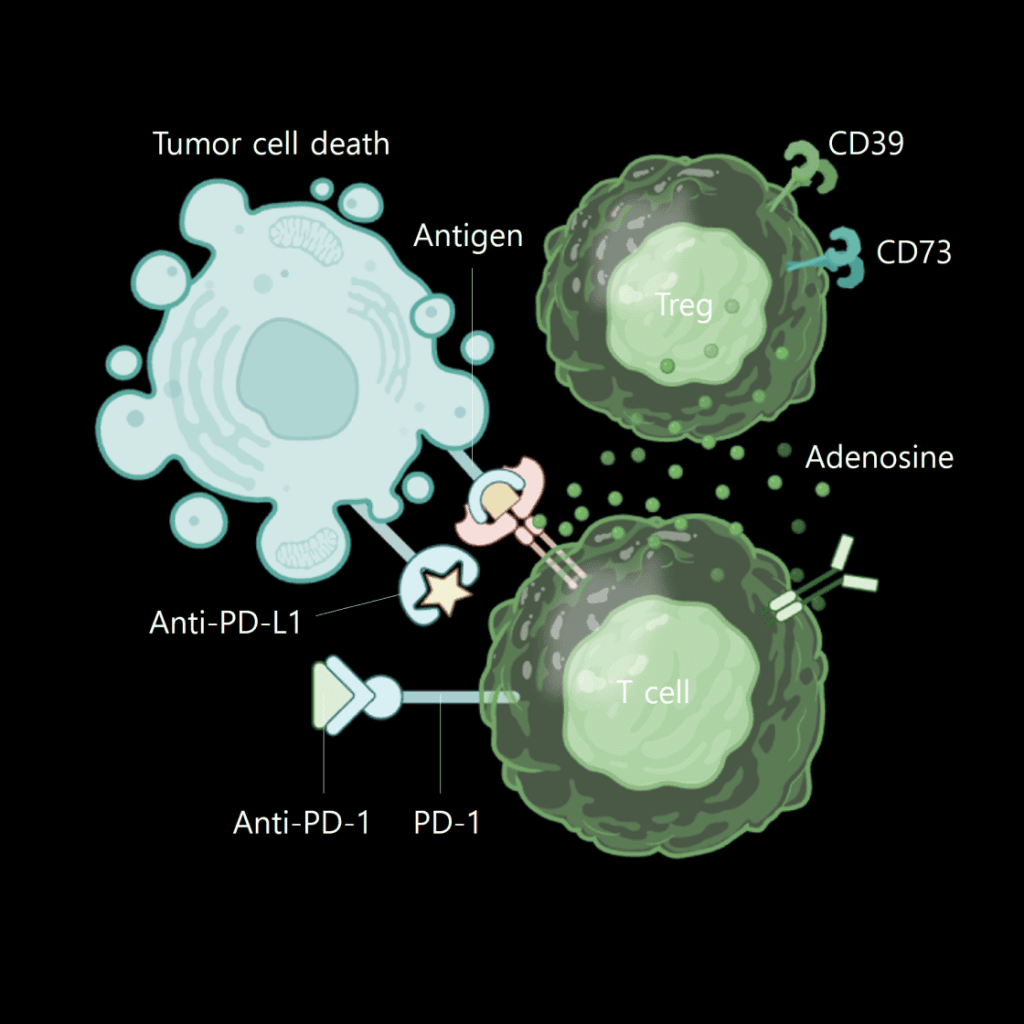
Regulatory T cell
Regulatory T cell
Product type
Organoid + T cell + Regulatory T cell
Application fields
- Cancer Organoid: Colorectal Cancer, Non-Small Cell Lung Cancer, Pancreatic Cancer, Breast Cancer, Cholangiocarcinoma, Gastric Cancer, Ovarian Cancer
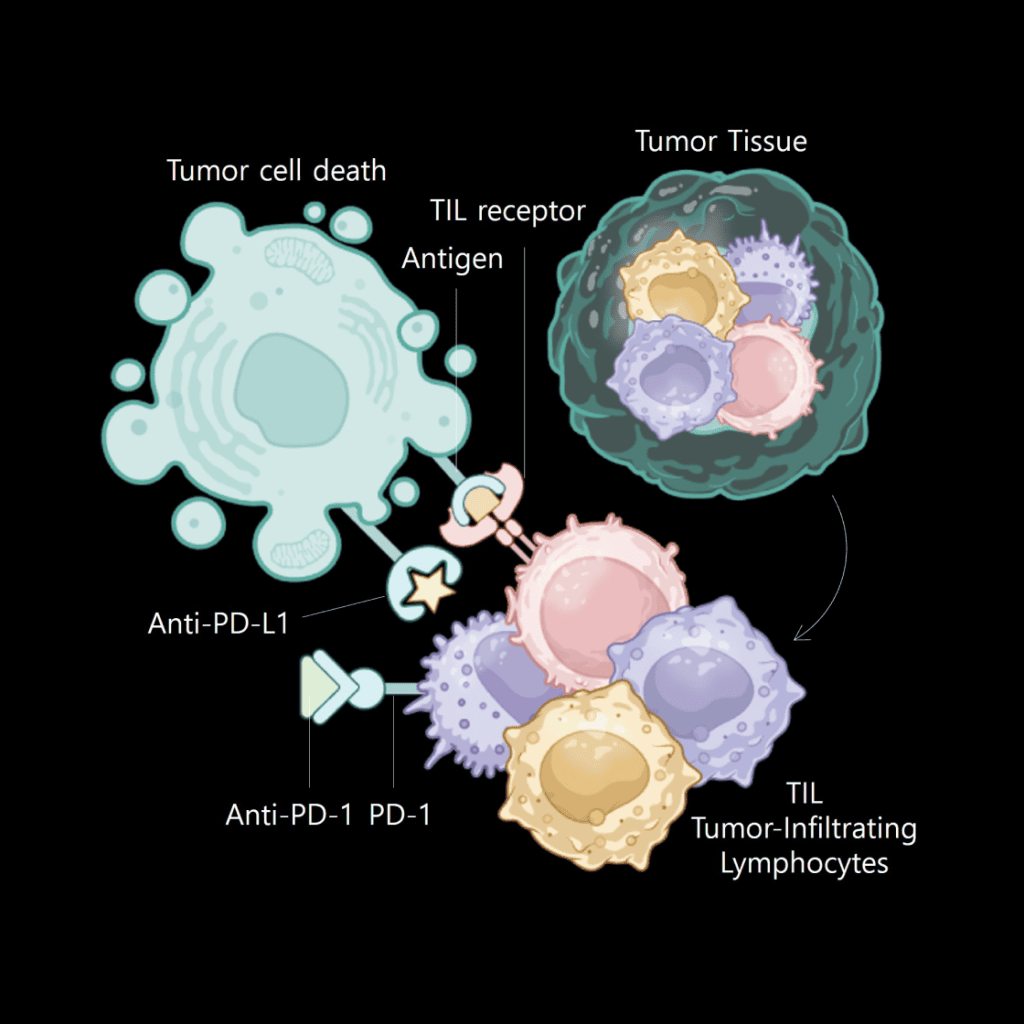
Tumor-Infiltrating Lymphocyte
Product type
Organoid + TIL
Application fields
- Cancer Organoid: Colorectal Cancer, Non-Small Cell Lung Cancer, Pancreatic Cancer, Breast Cancer, Cholangiocarcinoma, Gastric Cancer, Ovarian Cancer
Why Lambda Biologics?
Autologous by design
Patient-derived organoids and T cells are obtained from the same donor, preserving the patient’s HLA background and immune repertoire. This reduces allogeneic responses and supports more confident evaluation of treatment-driven, tumor-specific immune activity.
Completed Validation
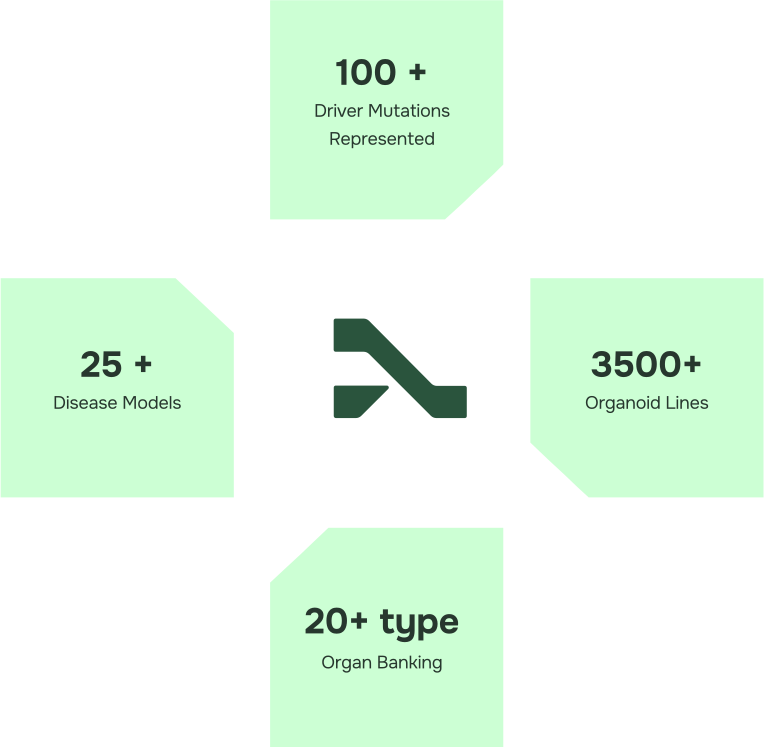
Our organoid bank combines clinical information with drug-sensitivity data, whole-exome sequencing, and cancer-marker profiling. This enables model selection based on tumor subtype, genomic features, biomarkers, and therapeutic response.
Built Around Your Mechanism
Each study is customized to your therapeutic modality, target, and mechanism of action. Available options include donor-matched immune co-cultures, personalized organoid panels, high-content screening, single-cell RNA sequencing, multiplex imaging, and functional biomarker analysis.
Frequently Asked Questions
What are Cytotoxic T Cells (CD8+ T cells)?
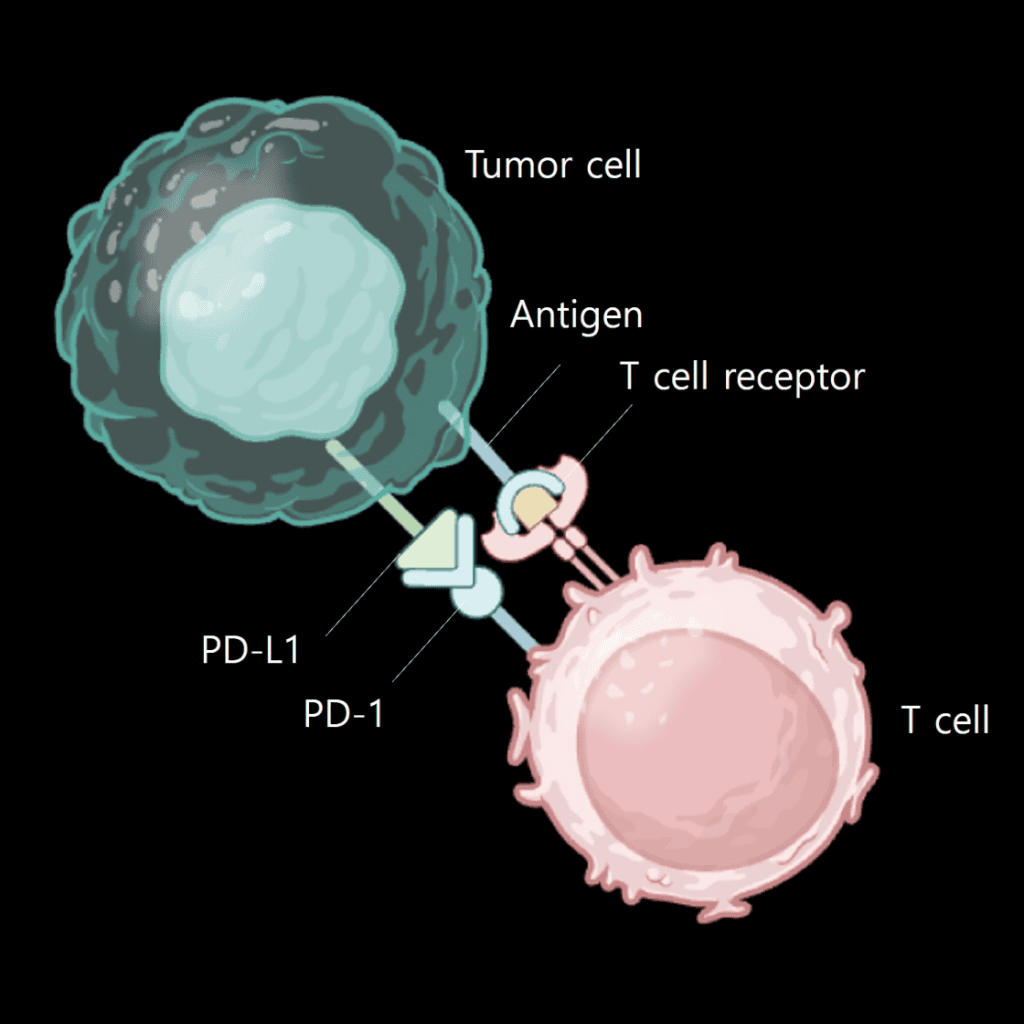
Cytotoxic T cells, also known as CD8+ T cells, are a subset of immune cells responsible for identifying and eliminating cancerous or virus-infected cells. They recognize antigens presented by MHC class I molecules and induce apoptosis through perforin- and granzyme-mediated mechanisms.
How are Cytotoxic T Cells applied in immuno-oncology research?
Cytotoxic T cells play a central role in evaluating tumor immunogenicity and the efficacy of immunotherapies. They are widely used in co-culture assays with tumor organoids or spheroids to study immune infiltration, T cell activation, and cytotoxic response in a human-relevant context.
What makes Lambda Biologics’ Cytotoxic T Cell models unique?
Lambda Biologics provides functionally validated cytotoxic T cells compatible with patient-derived organoid and tumor microenvironment models. These cells enable dynamic assessment of tumor–immune interactions, supporting preclinical evaluation of checkpoint inhibitors and next-generation immunotherapies.
Design an Immunotherapy Study That Tests the Mechanism
Human Organoid-Based Evaluation Platform for Drug Efficacy and Toxicity Prediction
Explore Lambda Biologics Services
Organoid Service
Specialized organoid-based assays for modeling human biology in vitro—designed to enhance predictive accuracy in drug response, toxicity, and disease progression.
Research Service
Custom in vitro studies leveraging organoid and cell-based models to support hypothesis-driven research, mechanistic validation, and translational insights.
Technical Service
Advanced analytical support including molecular profiling, spatial biology, and imaging—enabling precise characterization of organoid and cell-based systems.