OECD Test Guideline 432: In Vitro 3T3 NRU Phototoxicity Test
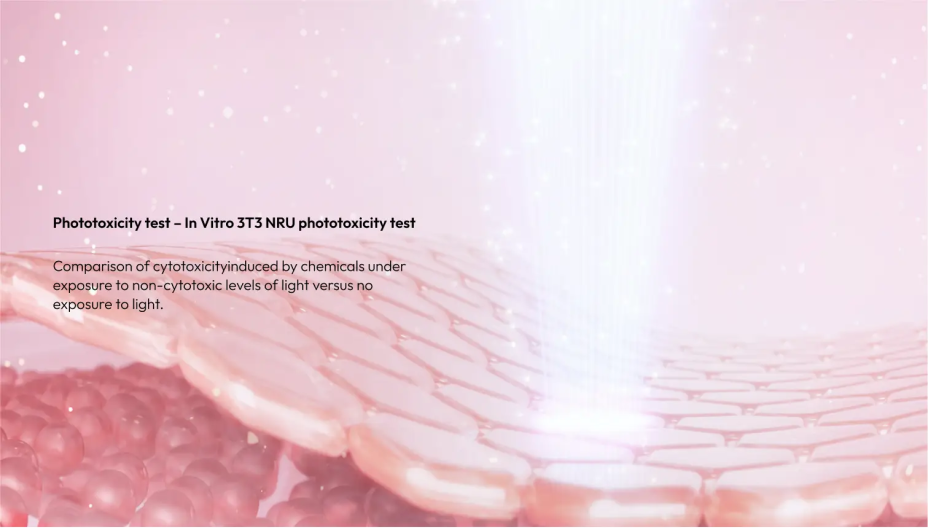
OECD Test Guideline 432, known as the In Vitro 3T3 Neutral Red Uptake (NRU) Phototoxicity Test, is designed to identify the phototoxic potential of chemicals that become toxic only when exposed to light.
This in vitro assay uses mouse fibroblast cells (3T3 cells) to assess whether a chemical causes toxicity under exposure to a light source, simulating solar radiation.
Purpose of the test
The test aims to determine if a substance is likely to cause damage to the skin or eyes when exposed to sunlight or other light sources, helping to ensure the safety of chemicals and products such as cosmetics, pharmaceuticals, and industrial substances.
Test Process
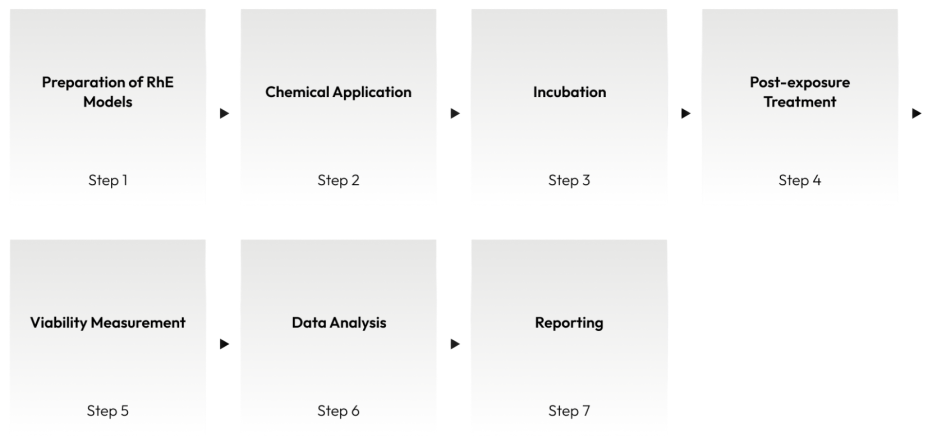
1. Preparation of RhE Models
- Cultivate human epidermal cells to form a multi-layered, differentiated model that replicates human epidermis.
2. Chemical Application
- Apply the test substances directly onto the RhE model.
3. Incubation
- Allow the chemicals to interact with the epidermis for a specified duration, typically about 15 to 60 minutes,
depending on the protocol.
4. Post-exposure Treatment
- Rinse the chemicals off the RhE model and apply a viability dye such as MTT, which will be metabolized by living
cells.
5. Viability Measurement
- Measure the conversion of the dye to formazan by viable cells, which is quantified using a colorimetric assay to
assess cell viability.
6. Data Analysis
- Analyze the results to determine the reduction in cell viability compared to untreated control samples,
indicating the irritant potential of the test substance.
7. Reporting
- Prepare detailed reports including the methods, results, and conclusions for regulatory and safety assessment
purposes.
Read out