Next-Generation Sequencing (NGS) Services
Next-Generation Sequencing (NGS) is a rapid and efficient DNA sequencing technology used for analyzing multiple samples in bulk. Widely applied in genomics, transcriptomics, and personalized medicine, NGS offers fast and accurate results.
At Lambda Biologics, our team of specialists utilizes the latest analytical technologies and extensive experience to deliver results that closely align with researchers’ objectives. We are dedicated to providing rapid and accurate results tailored to our customers’ research needs.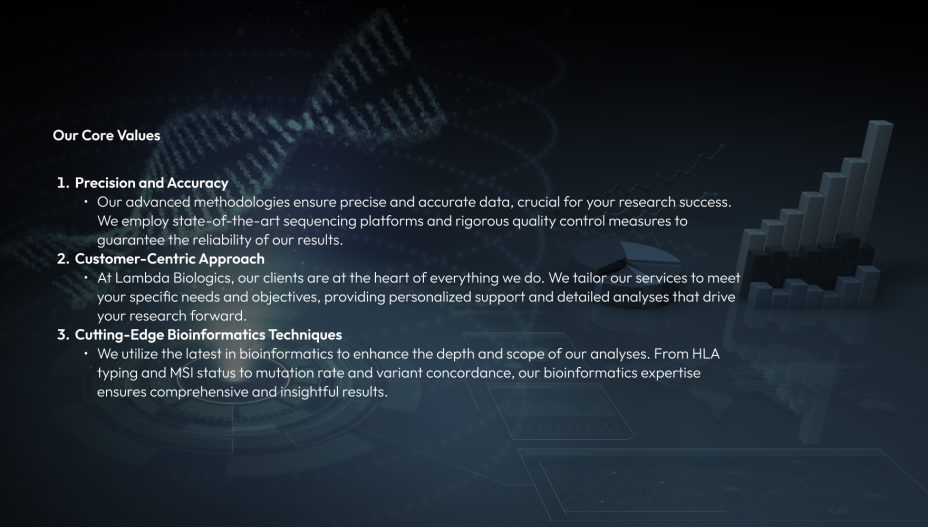
iPSC generation using non-integrating system
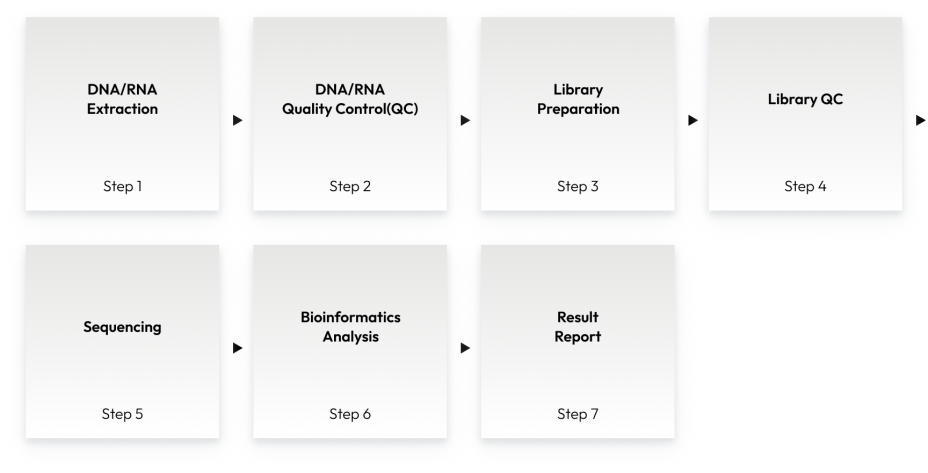
Whole Exome Sequencing (WES)
Wes provides Whole Exome Sequencing (WES) to comprehensively identify genetic variations, particularly useful for diverse of cells and tissues and especially Organoid Quality Control. We ensure the accuracy, reliability, and suitability for various research applications.
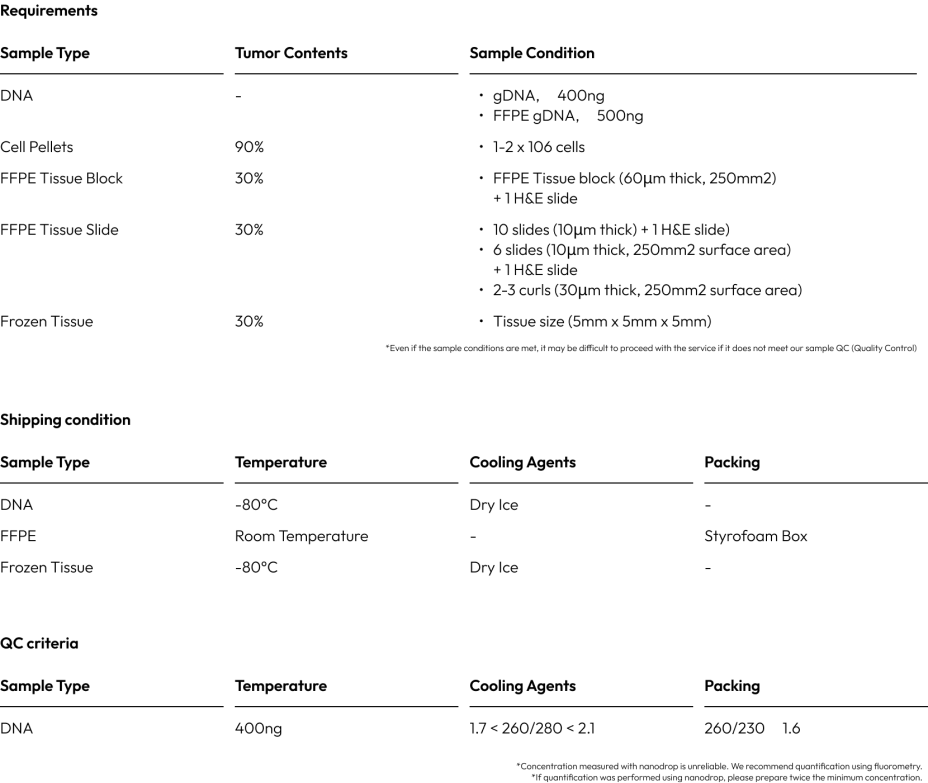
Sample preparation
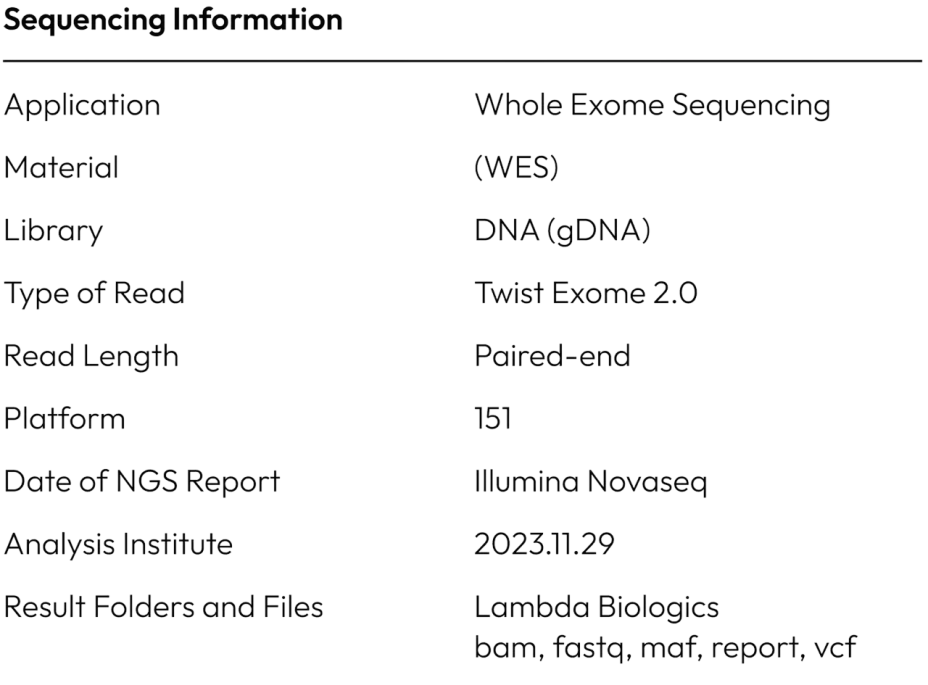
Standard analysis report
Variant annotation
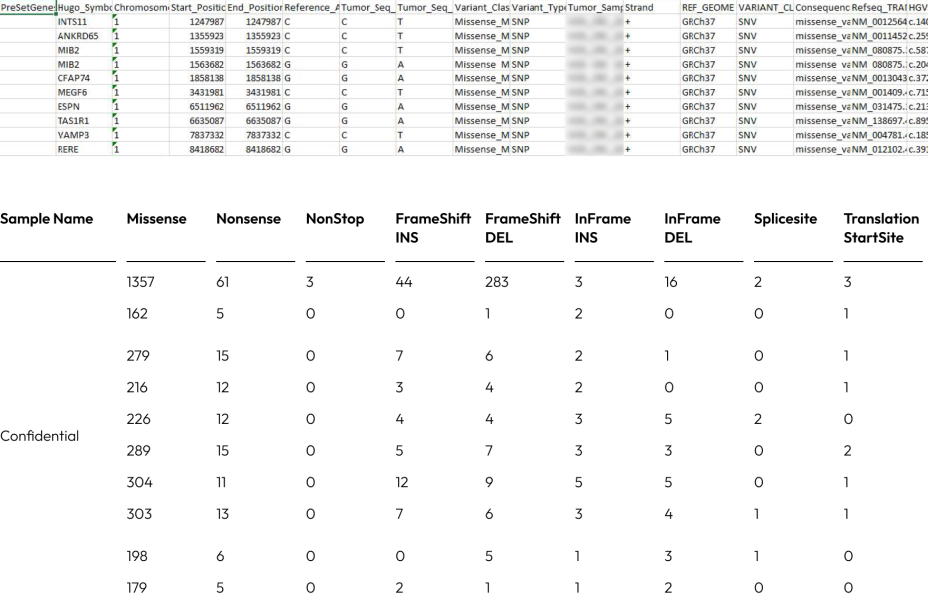
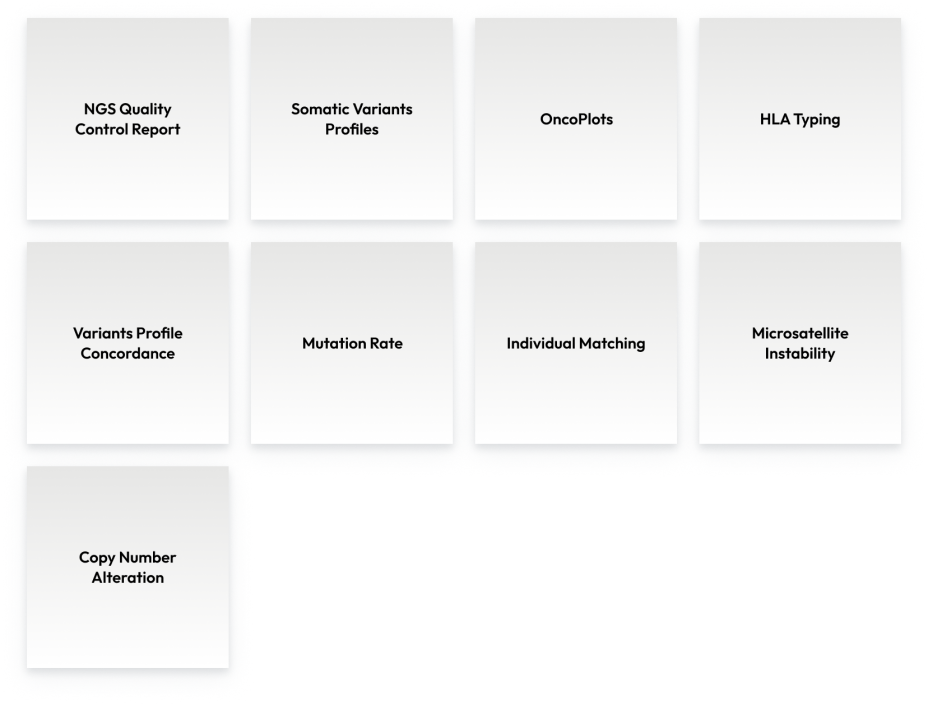
Advanced analysis report
Accelerate Your Genomic Research with NGS
With a combination of high-quality sequencing, flexible analysis, and human-relevant expertise, Lambda Biologics’ Next-Generation Sequencing (NGS) service supports reliable and insightful genomic research outcomes.
Contact us to discuss your project requirements and customized NGS solutions.Frequently Asked Questions
What is Next-Generation Sequencing (NGS)?
Next-Generation Sequencing (NGS) is a high-throughput sequencing technology that enables simultaneous analysis of millions of DNA or RNA fragments in a single experiment, providing comprehensive genomic and transcriptomic data.
What NGS services does Lambda Biologics offer?
Lambda Biologics provides flexible NGS services, including Whole Exome Sequencing (WES), targeted sequencing, and variant analysis. Bioinformatics workflows can be customized based on research objectives.
Is bioinformatics analysis included in the service?
Yes. Standard data processing and quality control are included. Advanced bioinformatics analyses – such as variant annotation, HLA typing, MSI status, mutation rate, and variant concordance – are available upon request.
What is the typical NGS workflow?
A standard workflow includes sample preparation and library construction, high-throughput sequencing, data processing and quality assessment, followed by bioinformatics analysis and reporting.
What applications is this NGS service suitable for?
The service is suitable for genomic research, variant discovery, translational studies, drug discovery, and characterization of human-based in vitro models, including organoids.