Abstract
Myeloid-derived suppressor cells (MDSCs) are major contributors to immunosuppression and therapeutic resistance in cancer, yet robust human-relevant platforms for evaluating their function and trafficking remain limited. Here, we established a THP-1–derived MDSC-like cell model and integrated it with a colorectal cancer (CRC) organoid–stromal microenvironment assay. MDSC-like cells were generated under cytokine-driven differentiation conditions and validated by flow cytometry and qRT–PCR. Their immunosuppressive activity was assessed using PBMC/T-cell clustering assays, and their migratory behavior was quantified using a Matrigel-coated transwell system containing CRC organoids and/or cancer-associated fibroblasts (CAFs). This platform enabled parallel assessment of MDSC phenotype, suppressive function, infiltration, and drug response, supporting the preclinical evaluation of MDSC-targeting strategies in a human-relevant setting.
Authors
Wookyeom Yang1, Yoon-Ha Go1, Phuong Lan Nguyen1, Dong-Uk Lim1, Boeun Lee2, Kyung Jin Lee2
1 ORGANOIDSCIENCES Ltd., Republic of Korea
2 Lambda Biologics GmbH, Germany
Poster Presentation Session at the AACR 2026
Session Title: Late-Breaking Research: Immunolog 2
Session Start: 4/20/2026 9:00:00 AM
Session End: 4/20/2026 12:00:00 PM
Location: Poster Section 53
Poster Board Number: 18
Abstract Presentation Number: LB153
What you will learn from this research
This poster details a comprehensive methodology for evaluating the complex interactions between immune-suppressive cells and the tumor stroma:
- Innovative MDSC Modeling: Learn how we successfully differentiated THP-1 cells into functional MDSC-like cells using cytokine-driven conditions (G-CSF and IL-4), validated by flow cytometry and immune-regulatory gene signatures.
- Quantitative Infiltration Assays: Discover our Matrigel-coated transwell system (5-µm pore) that quantifies MDSC migration toward tumor organoids, CAFs, or a combination of both using imaging and FACS analysis.
- Integrated ADC Test Platform: Explore our workflow for evaluating ADCs (including targets like HER2, EGFR, and TROP2), which integrates internalisation analysis, 3D viability testing, and tissue-structure assessment.
- Microenvironment-Driven Insights: Understand how the presence of CAFs and the stromal microenvironment significantly impacts MDSC recruitment and drug response.
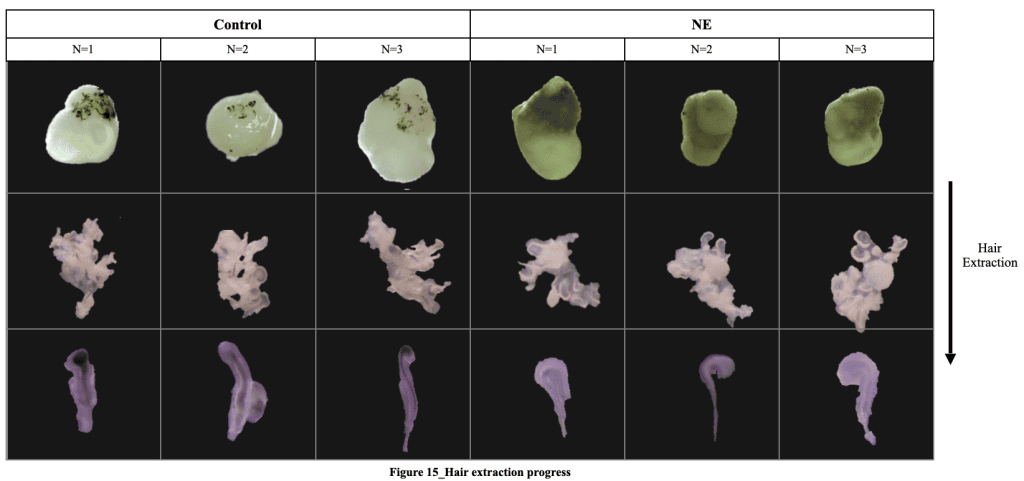
- Organ-Specific Toxicity Evaluation: See how we utilize iPSC-derived skin, intestinal, and retinal organoids to predict off-target toxicities, such as structural alterations caused by anti-NECTIN-4 ADCs.
- Precision Drug Screening: Review data from candidate MDSC-targeting agents (e.g., anti-STAT3, anti-IL-10) showing concentration-dependent inhibition of immune cell infiltration.
Discuss this poster with us
Visit Lambda Biologics at the AACR 2026, Booth 1603
from Apr 19-22, 2026, at the AACR Annual Meeting, San Diego, California, USA
This poster will be available for download from 24 April, 2026