A new Nature Communications study led by Newcastle University shows how patient-derived retinal organoids can serve as a preclinical efficacy model for gene therapy, testing both target cell types of a blinding disease in human tissue.
A Splicing Disease of the Retina
Mutations in PRPF31, a core spliceosome gene, cause retinitis pigmentosa type 11 (RP11), a progressive inherited blindness. Although PRPF31 is needed in every cell, the damage concentrates in photoreceptors and the retinal pigment epithelium (RPE), the two cell types a gene therapy must reach.
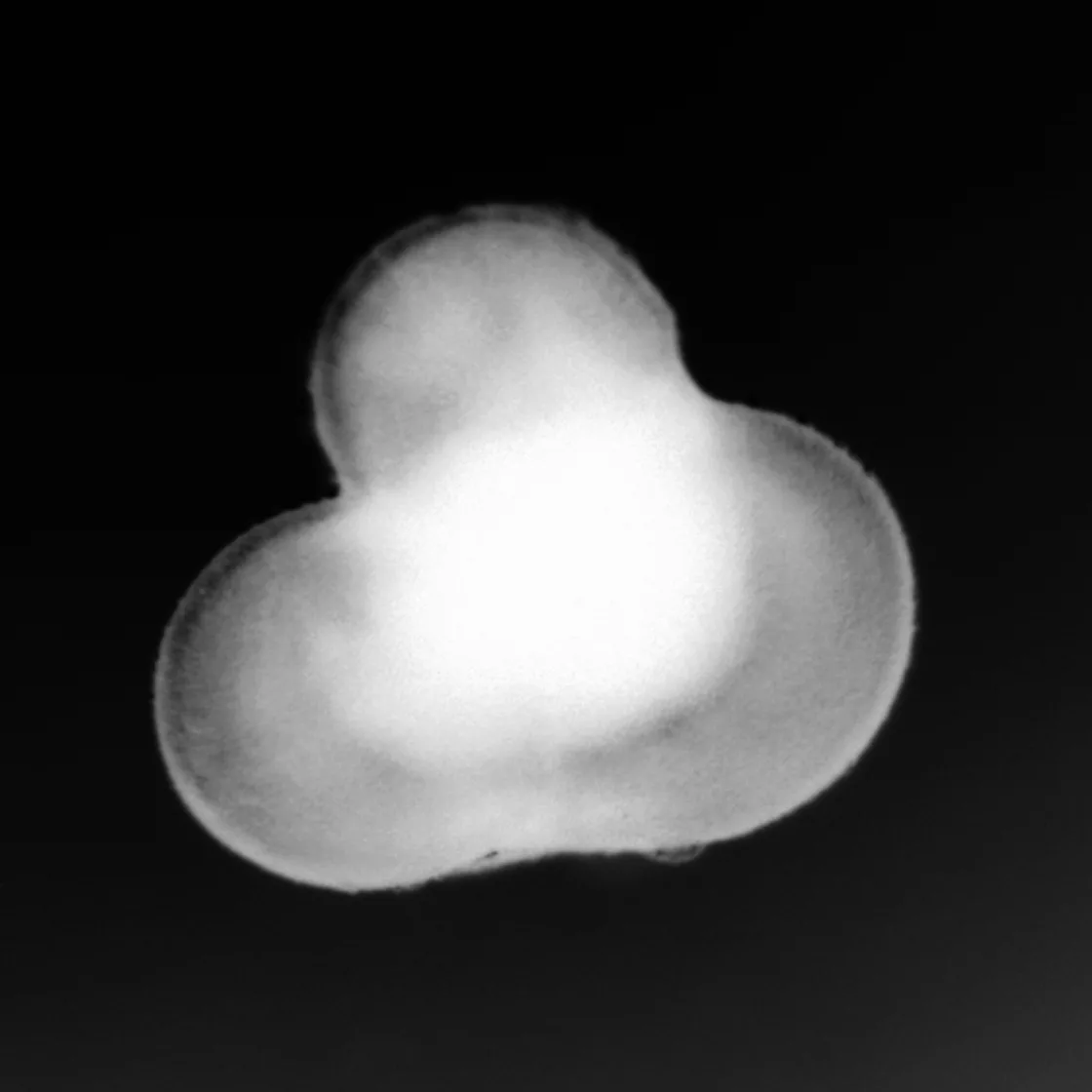
The team generated RPE cells and 3D retinal organoids from induced pluripotent stem cells of three RP11 patients with severe or very severe disease, alongside controls. Organoids were grown to day 180, so treatment was tested on mature tissue that already showed disease features, the situation patients present with in the clinic.
A PRPF31 gene delivered in an AAV capsid that targets photoreceptors and RPE restored the protein to the nucleus, normalised nuclear speckles and corrected splicing of ciliary genes. Toxic cytoplasmic aggregates cleared, cilia number and length recovered, and RPE cells regained their phagocytic function. Multielectrode-array recordings showed stronger light-evoked activity in treated organoids, and proteomics showed a shift back towards a healthy proteome. Adding the autophagy activator rapamycin gave no extra benefit.
The broader shift is in the evidence. Functional readouts in paired patient-derived tissues, tested at a late disease stage, go well beyond showing that a transgene is expressed: the kind of human data that can strengthen the case for moving a gene therapy towards the clinic.
3D Retinal Organoid Model
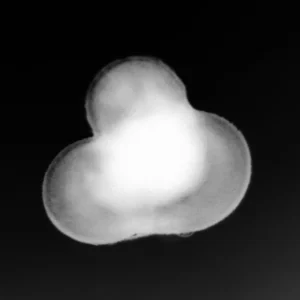
Lambda Biologics’ retinal organoid model recreates the layered architecture of the human retina in vitro, including photoreceptor development. By providing human 3D retinal tissue rather than conventional 2D cultures, it supports disease modelling, toxicity assessment and efficacy testing of gene and cell therapies.
Reference
Elia, M., Pauzuolyte, V., Georgiou, M. et al. “Cell-autonomous restoration of splicing homeostasis and RP11 phenotype in patient-derived RPE and retinal organoids by PRPF31.AAV gene therapy.” Nature Communications (2026). DOI: 10.1038/s41467-026-78065-z.
Interested in organoid-powered research? Check out Lambda Biologics’ Neural & Retinal Organoid Platform:
Retinal Organoid | Cortical Organoid | Midbrain Organoid | iPSC Generation | See more…