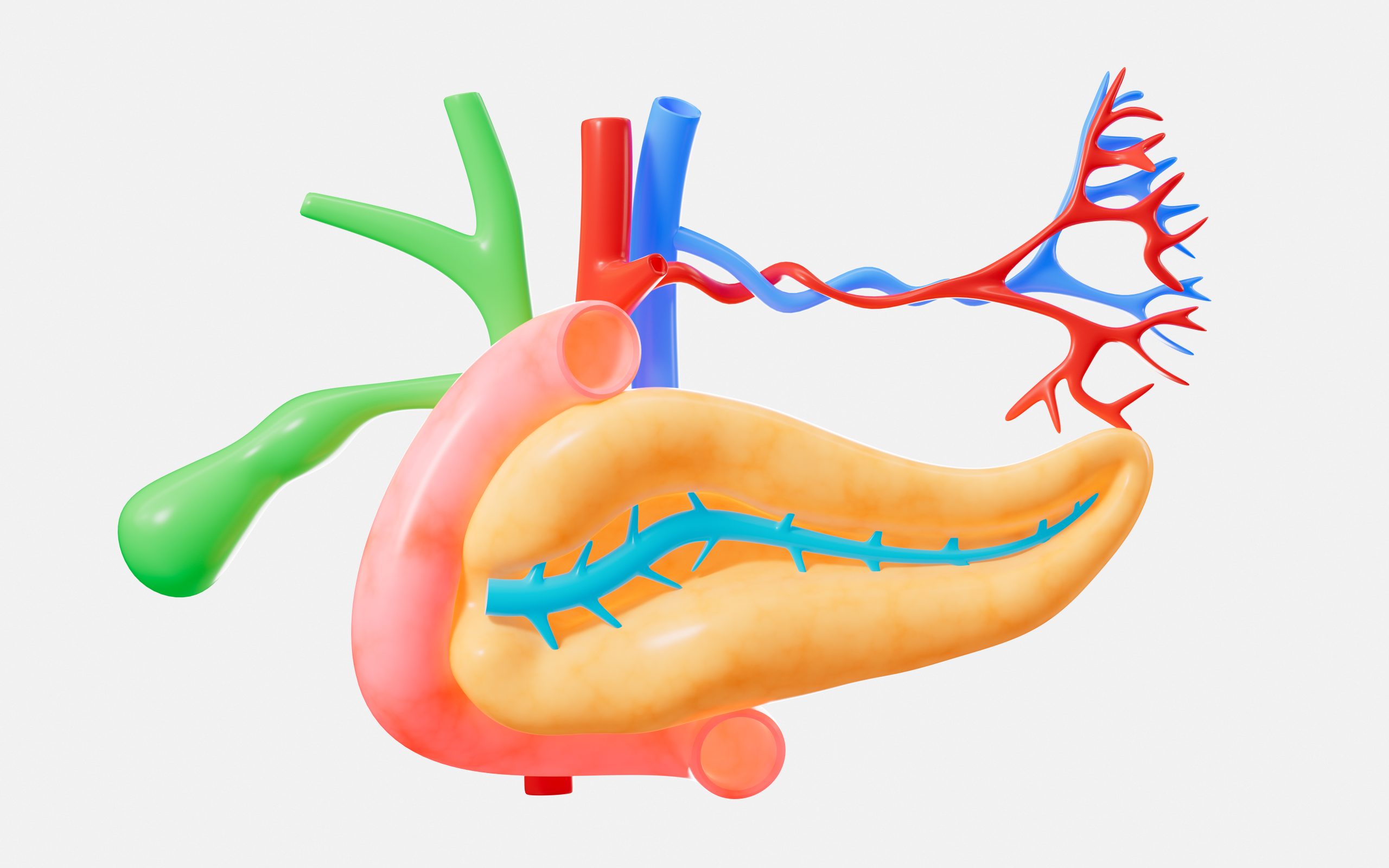
Researchers in Brazil have uncovered how pancreatic cancer exploits its surrounding tissue to spread early and aggressively. Published in Molecular and Cellular Endocrinology, the study reveals that tumors use a protein called periostin, produced by pancreatic stellate cells, to remodel nearby connective tissue and invade surrounding nerves. This process, known as perineural invasion, provides cancer cells with pathways to migrate, increasing the likelihood of metastasis and signaling a more aggressive disease course.
Using high-resolution spatial and single-cell gene analysis across 24 tumor samples, the researchers showed that the tumor microenvironment is not passive. Instead, it is actively reprogrammed to support cancer progression. Periostin-driven tissue remodeling also triggers a dense fibrotic response around the tumor, forming a physical barrier that limits the effectiveness of chemotherapy and immunotherapy.
Because more than half of pancreatic cancers show nerve invasion at early stages – often detected only after surgery – these findings position periostin as a promising therapeutic target. Intervening early in this pathway could help slow tumor spread and improve outcomes in one of the deadliest cancers.
Research article: Scientists find hidden pathways pancreatic cancer uses to spread
Lambda Biologics’ Oncology Solutions: Patient-derived cancer organoid-based drug evaluation service
Gastric Cancer Organoid | Breast Cancer Organoid | Hepatocarcinoma Cancer Organoid | Pancreatic Cancer Organoid